Impact events
Collision terminology
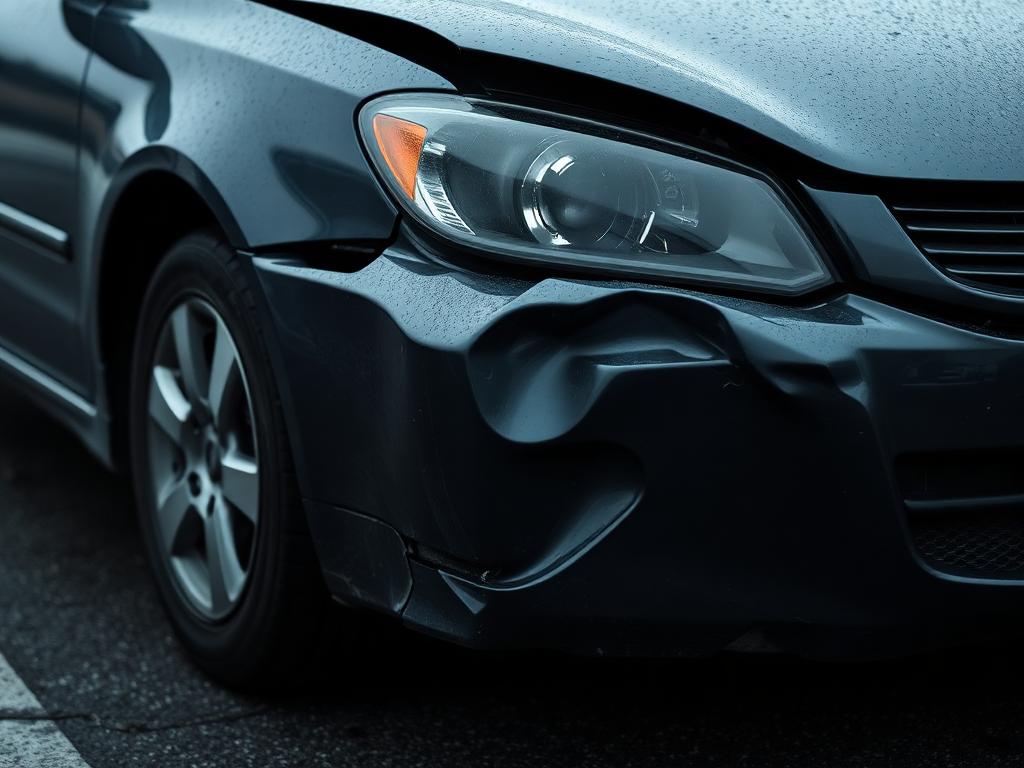
How the word collision is generally used to describe damage tied to impact with another vehicle or object, and the vocabulary that usually appears in those discussions.

Learning topics
Impact events
How the word collision is generally used to describe damage tied to impact with another vehicle or object, and the vocabulary that usually appears in those discussions.
Non-collision events
Comprehensive is the term commonly used for damage that happens without a traffic impact, such as falling objects or severe weather.

Hail, wind, flood
Hail dents, wind-blown debris, flooding, and freeze damage each carry their own descriptive vocabulary in vehicle damage reports.

Missing vehicle or parts
Terminology used when a vehicle or its components go missing, including the difference between full vehicle theft and partial theft of parts.

Intentional damage
Vandalism describes deliberate damage caused by another person, which uses different descriptive terms than accidental impact damage.

Wildlife contact
Animal contact sits in a frequently misunderstood space between collision and non-collision language, so the terminology matters.

Recording what happened
A plain walkthrough of the details people commonly record after any damage event so descriptions stay accurate and consistent.

Scenario library
Four short scenarios showing how the wording changes with the event, not with the vehicle.

A driver backs into a parking garage pillar.
Usually described with collision terminology because an impact occurred.

A hailstorm dents the roof and hood overnight.
Usually described with comprehensive terminology because there was no traffic impact.

A window is broken and a bag is taken from the seat.
Usually described with theft and vandalism terminology, not collision terminology.

A deer runs into the front bumper on a rural road.
Often described with comprehensive terminology in the United States even though contact occurred.
Features